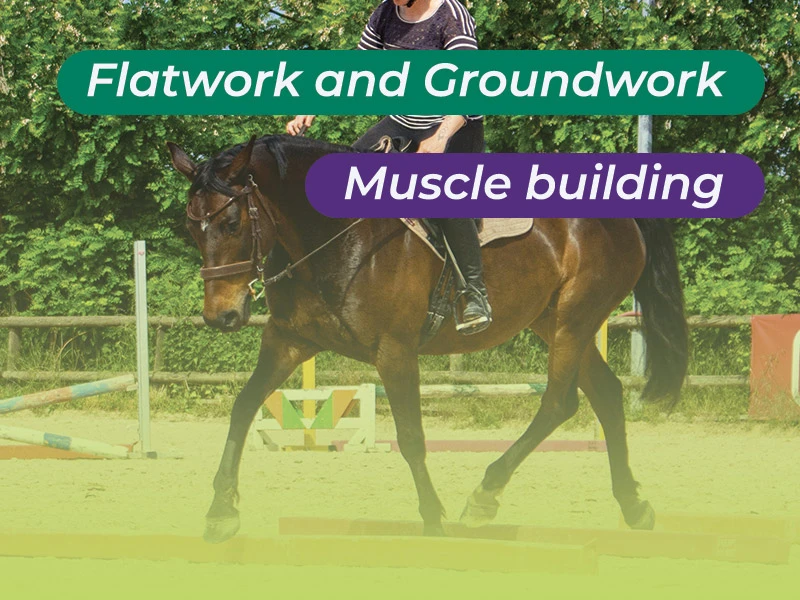
Back focus: a long, wide back
5 sessions
Working on your horse’s back is essential. A horse that “has no back,” as we say in the jargon, is a…

 Unicorn
1 comments left · 16 published riding session
Morgane guides her students to develop a riding style that respects their horse’s natural functioning. She calls it collaborative riding, built on three pillars: understanding equine biomechanics, managing emotions, and creating clear, fluid communication with your horse.
5 sessions
Working on your horse’s back is essential. A horse that “has no back,” as we say in the jargon, is a…
6 sessions
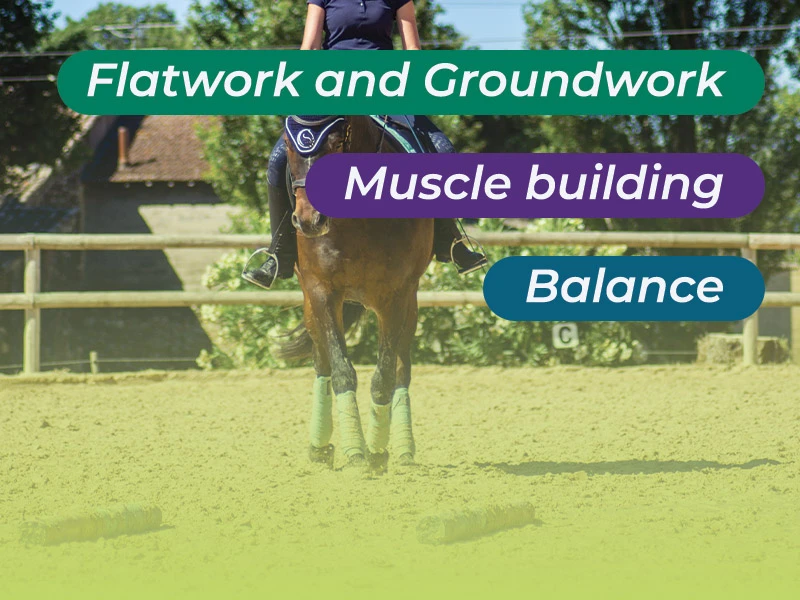
Balance is one of the areas many of you struggle with the most. Before we get into the exercises, it…
6 sessions
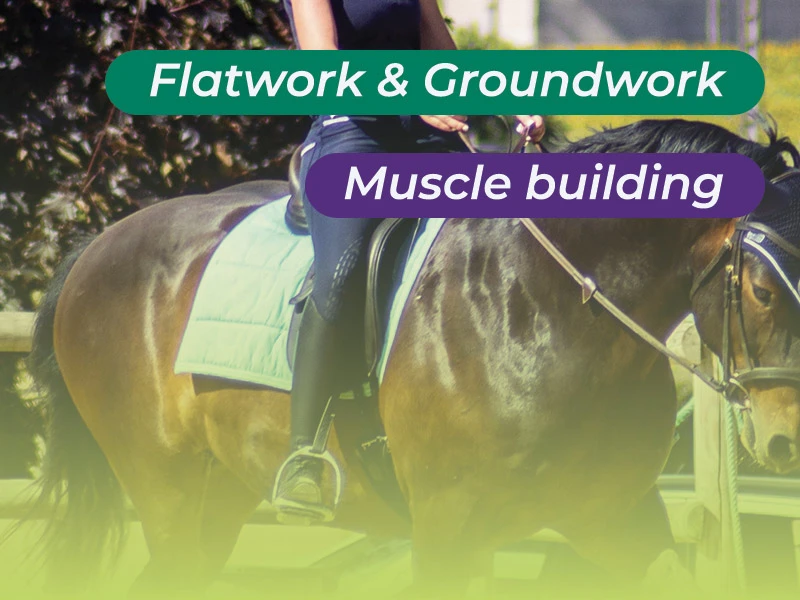
Just like us, our horses feel much better in their bodies when they have good core strength. If you …
2 sessions
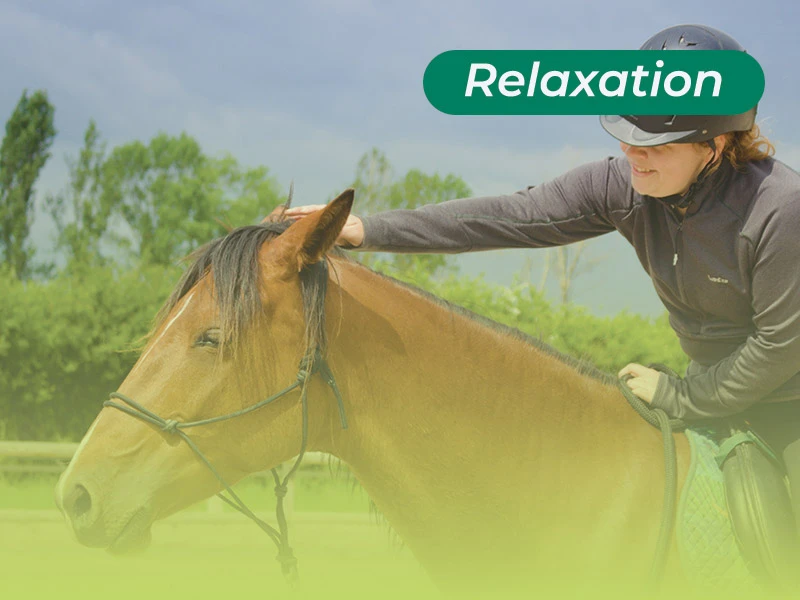
A muscle that can't relax can't contract optimally. It's my favorite phrase, and it sums up exactly …
4 sessions
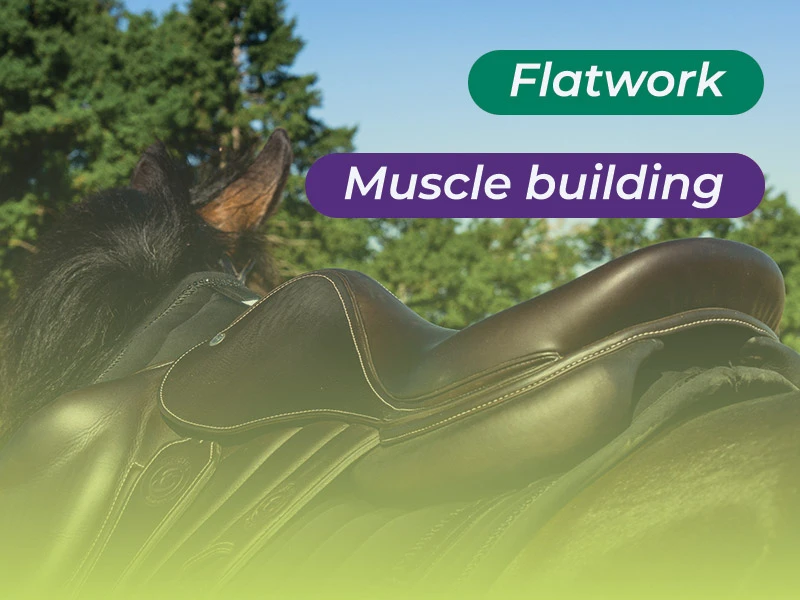
Strengthening our horses’ backs should be one of our top priorities, whether we ride or not. But str…
4 sessions
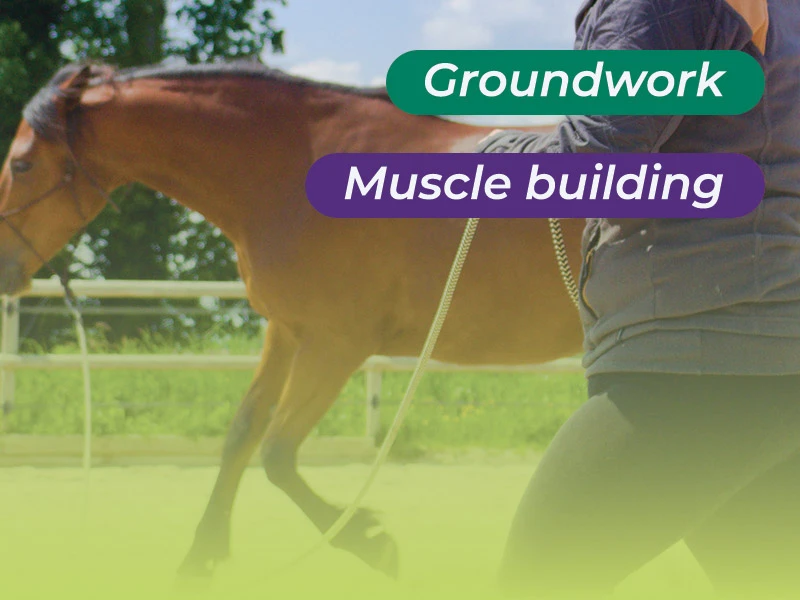
Strengthening our horses’ backs should be one of our top priorities, whether we ride or not. But aga…
6 sessions
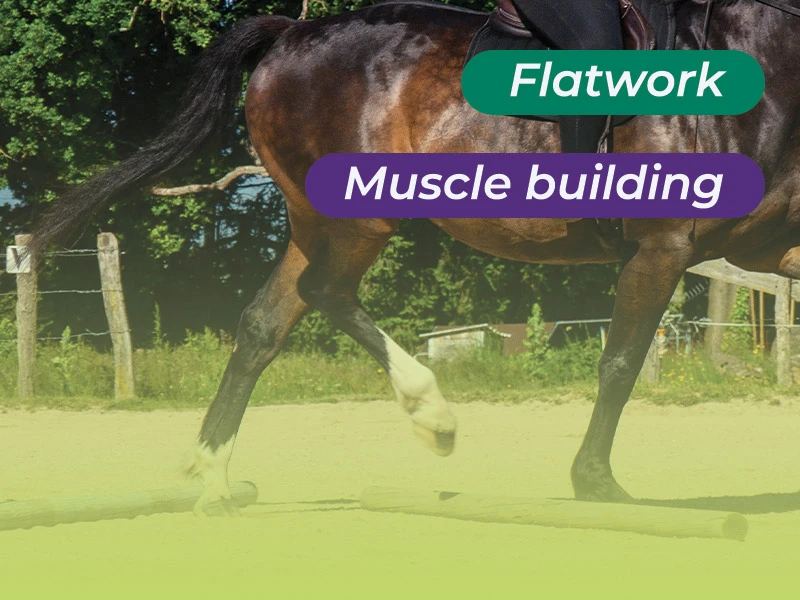
This is a topic many of you have asked me about, mainly around hind leg engagement. I also often hea…
 PREMIUM
Dressage | Customizable
The walk-trot transition is a good indicator of the tone of the thoracic sling. If your horse tries to avoid using its thoracic sling, the quality of your transition will suffer.
 PREMIUM
Dressage | Medium
La variation d'amplitude est un excellant indicateur de la tonicité de la sangle thoracique. Cette variation met l'équilibre du cheval à l'épreuve et lui demande donc de "se tenir" donc de maintenir son centre de gravité, et donc de solliciter sa sangle thoracique.
 PREMIUM
Dressage | Medium
Variations in frame and head height help challenge the horse’s balance and therefore the tone of his thoracic sling.
 PREMIUM
Dressage | Easy
Serpentine patterns are excellent exercises to challenge the horse’s lateral balance and therefore the tone of his thoracic sling, thanks to the continuous alternation from right to left.
 PREMIUM
Lunging | Easy
or your horse to properly engage his thoracic sling, you’ll need him to be: - relaxed - in a rather low-head posture The spiral exercise helps develop lateral balance, which means the horse mobilizes his thoracic sling alternately on the right and left sides. Because this exercise involves riding on curves, often quite tight ones, be careful not to ask for it too long or too often. If your horse is young, has trouble finding his own balance, or has physical issues that show up on tight curves, limit this exercise to a few minutes each direction and prioritize wide curves (like the large spiral).
 PREMIUM
Lunging | Medium
Linking tight curves and straight lines on the lunge helps to: - challenge the horse’s lateral balance (and therefore engage the thoracic sling alternately on each side) - encourage the horse to take responsibility for maintaining his own balance
 PREMIUM
Lunging | Easy
This exercise helps your horse to: - Challenge his lateral balance, engaging his thoracic sling alternately to the right and left - Challenge his longitudinal balance, also engaging the thoracic sling - Take responsibility for maintaining his own balance
 PREMIUM
Groundwork | Hard
This exercise helps your horse: - Challenge his lateral balance - Activate the thoracic sling alternately left and right by shifting his body weight first onto the right shoulder, then onto the left
 PREMIUM
Cavalettis | Easy
Activate the energy, then rebalance it without losing balance to develop strength.
 PREMIUM
Groundwork | Easy
Enable your horse to shift its weight from the forehand to the hindquarters and from the hindquarters to the forehand, without moving its feet
 PREMIUM
Groundwork | Easy
Ask your horse to shift his balance from his right shoulder to his left shoulder
 PREMIUM
Cavalettis | Medium
A line of cavaletti to help your horse lift its withers and lengthen its back.
Please sign in to save your favorites.